
Some heroines stride into our hearts wielding swords, while others quietly endure life’s absurdities with grit and determination. Strength comes in many forms, and the women who captivate us on the page remind us of that in every messy, glorious way. They’re not perfect, and thank goodness for that—who wants a heroine with no flaws? This post celebrates a handful of literary women who’ve made an impression on me, flaws and all. It’s not an exhaustive list; it’s purely based on what I’ve read and connected with. So, if your favourite isn’t here, don’t come for me. Just share your recommendations—I’m always looking to add to my To Be Read pile.
***CONTAINS SPOILERS***
1. Claire Fraser (Outlander by Diana Gabaldon)
Let’s start with Claire Fraser from Outlander, whose audacity knows no bounds. Claire is the queen of adaptability. Thrown from the 20th century into the 18th, she doesn’t just survive; she thrives. Whether she’s using her advanced medical knowledge to save lives or holding her own against war-hardened men, Claire is a force to be reckoned with. Her struggles are monumental—witch trials, near-constant danger, and heartbreak—but her ability to face them head-on is inspiring.
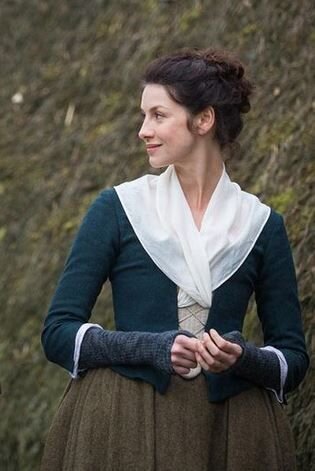
However, Claire’s stubbornness can be both her strength and her downfall. She often charges into situations headfirst, trusting her instincts but ignoring the risks. This impulsiveness sometimes backfires spectacularly, but it also showcases her humanity. She’s not perfect, and that’s what makes her so relatable.
Struggles:
Accidentally time-travelling 200 years into the past. Who hasn’t been there?
Being smarter than 99% of the 18th-century men she meets and still being underestimated.
Surviving literal and figurative witch hunts, wars, and betrayals while never getting a proper spa day.
Achievements:
Establishing herself as a healer when 18th-century medicine involved leeches and prayers.
Loving Jamie Fraser with a passion and loyalty that would make even Cupid rethink his arrows.
Outwitting political intrigue and surviving wars, imprisonment, and countless kidnappings (seriously, how is she not exhausted?).
Reality Check: Claire’s stubborn streak often leads her straight into trouble, but let’s be honest: would we love her as much if she just sat around crocheting?
2. Elizabeth Bennet (Pride and Prejudice by Jane Austen)
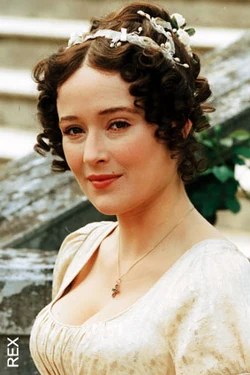
Elizabeth’s sharp wit and independent spirit make her a standout among Austen’s heroines. In a society that expects women to marry for convenience, Lizzy insists on marrying for love, even if it means rejecting the wealthy (but insufferable) Mr. Darcy. She doesn’t settle, and her refusal to compromise her principles is what makes her so empowering.
That said, Lizzy’s quick judgments often trip her up. Her pride blinds her to Darcy’s true character and her family’s flaws, and it takes a hefty dose of humility to recognise her mistakes. But that growth is what makes her journey so satisfying. Elizabeth reminds us that strength isn’t about being flawless; it’s about learning and evolving.
Struggles:
Being a fiercely independent woman in a society that practically invented the phrase “smile more.”
Navigating a family that’s the Regency version of a reality TV show, complete with embarrassing sisters and a mother who makes matchmaking her full-time job.
Overcoming her own prejudice (oh hey, title drop!) and realizing Mr. Darcy isn’t just a brooding lump of privilege.
Achievements:
Turning down two marriage proposals in a time when saying no was career suicide for women.
Calling out a man for his elitist nonsense to his face (yes, Darcy, I’m looking at you).
Getting her happily-ever-after her way—love on her terms, with mutual respect and partnership.
Reality Check: Lizzy has a sharp tongue, but sometimes that wit veers dangerously close to unwarranted judgement. She’s proud, she misjudges, but ultimately, she grows. And that’s why we love her.
3. Feyre Archeron (A Court of Thorns and Roses by Sarah J. Maas)
Feyre’s journey from a struggling huntress to a powerful faerie queen is nothing short of epic. Her strength lies in her resilience—she faces insurmountable odds, from battling vicious enemies to confronting her own trauma. Feyre’s willingness to fight for those she loves, even when it costs her dearly, makes her a true heroine.
But let’s be honest: Feyre’s self-sacrificial tendencies can be frustrating. She often shoulders burdens alone, pushing away those who want to help. Her emotional scars run deep, and her journey to heal and open up is as compelling as the battles she fights. Feyre reminds us that vulnerability is not a weakness but a part of strength.
Struggles:
Going from “I hunt to survive” to “I accidentally killed a magical creature and started a war.”
PTSD. So much PTSD. She’s a walking, talking case study of how trauma can shape and almost break you—but doesn’t have to define you.
Being constantly surrounded by ridiculously attractive, 6’4” fae men in peak physical condition while trying to focus on saving the world (truly, a burden!).
Achievements:
Saving multiple realms, sometimes by painting, sometimes by stabbing.
Defying gods, monsters, and (occasionally) common sense to save her family and her found family.
Advocating for mental health and personal boundaries in a way that’s refreshing to see in a fantasy series.
Reality Check: Feyre is brave and loyal, but she’s also a bit of a martyr. She doesn’t always communicate when she should, and her choices sometimes cause unnecessary chaos. But hey, who among us wouldn’t make questionable decisions when juggling life, death, and high-stakes politics?
4. Jane Eyre (Jane Eyre by Charlotte Brontë)
Jane is the epitome of quiet strength. Her life is filled with hardship—from her abusive childhood to the betrayal she faces as an adult—but she never compromises her principles. Jane’s moral integrity is her guiding force, and it allows her to walk away from toxic situations, even when it’s agonisingly difficult.
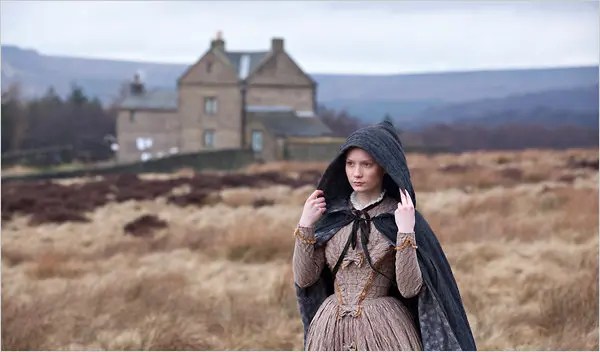
However, Jane’s righteousness can sometimes come across as inflexible. Her black-and-white view of morality is admirable but not always practical, and her stoicism can make her seem distant. Yet it’s her unwavering commitment to herself that sets her apart. Jane teaches us the power of staying true to who we are, no matter the cost.
Struggles:
Growing up in a world that treated orphaned girls like second-class citizens.
Falling for her boss, only to discover he’s hiding the most dramatic secret ever.
Maintaining her moral integrity even when it would’ve been easier to give in.
Achievements:
Standing up for herself against everyone who tried to belittle her.
Walking away from toxic situations, even when it hurt.
Building a life on her terms, with or without Mr. Rochester.
Reality Check: Jane can be a little too self-righteous, but she’s proof that quiet strength is still strength.
5. Matilda Wormwood (Matilda by Roald Dahl)
Matilda may be small, but her impact is enormous. Faced with neglectful parents and a tyrannical headmistress, she uses her intelligence and newfound telekinesis to fight back. Matilda’s brilliance and kindness make her a beacon of hope in a dreary world.
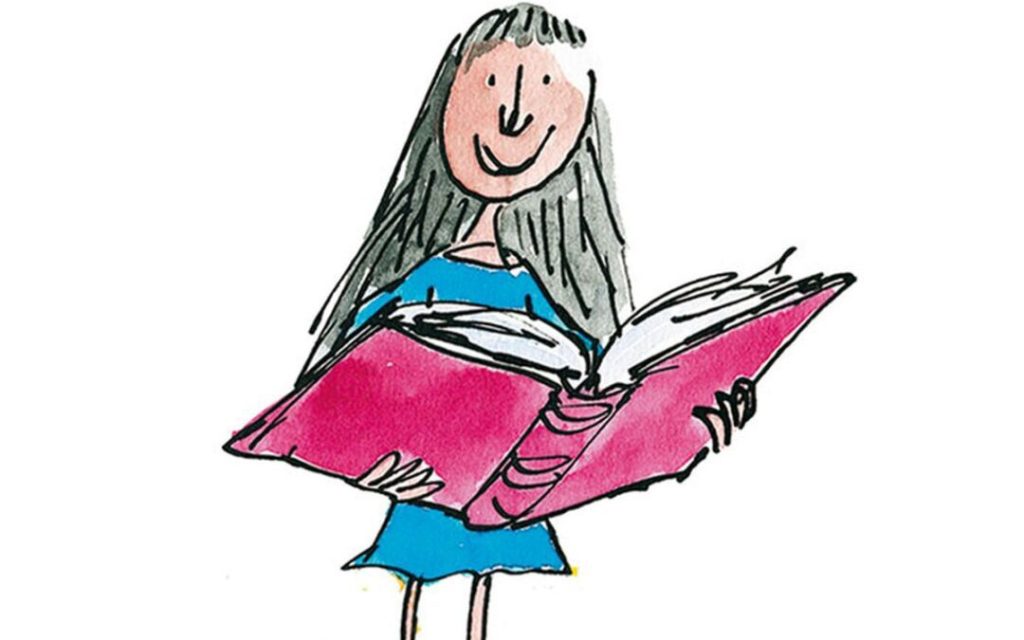
That said, Matilda’s near-perfect nature can feel a bit unrealistic. She’s a prodigy with almost no flaws, which makes her more of an ideal than a relatable character. Still, her unwavering sense of justice and her determination to carve out a better life make her a role model for all ages.
Struggles:
Surviving the world’s most neglectful parents and the terrifying Miss Trunchbull.
Being a child prodigy stuck in a world of mediocrity.
Carrying the weight of being the smartest person in every room she enters—at age six.
Achievements:
Taking down Miss Trunchbull with her telekinetic genius.
Finding a loving mother figure in Miss Honey.
Teaching us all that intelligence and kindness are the ultimate superpowers.
Reality Check: Matilda is almost too perfect, but her righteous rebellion earns her a permanent spot on this list.
6. Hermione Granger (Harry Potter by J.K. Rowling)
Hermione is the brains of the operation, and she knows it. From solving puzzles to mastering spells, she’s constantly saving Harry and Ron from their (often self-inflicted) disasters. Her intellect and courage are unmatched, and her loyalty to her friends is unwavering.
However, Hermione’s perfectionism can be her Achilles’ heel. She’s so driven to succeed that she sometimes alienates those around her. Her passion for fairness—like her crusade for house-elf rights—is admirable, but it occasionally borders on self-righteousness. Despite this, Hermione shows us that being unapologetically smart and ambitious is something to celebrate.
Struggles:
Being “the smart one” in a trio that frequently relied on her to save their necks.
Dealing with a wizarding world that undervalues Muggle-born witches.
Balancing her insatiable thirst for knowledge with the occasional need to relax.
Achievements:
Saving Harry and Ron approximately 873 times.
Using her intellect to outwit Death Eaters, solve ancient mysteries, and ace her OWLs.
Championing the rights of house-elves because justice matters, even when it’s unpopular.
Reality Check: Hermione’s relentless drive for excellence can sometimes make her seem overly intense, but it’s this same determination that often saves the day. Without her quick thinking and unparalleled knowledge, Hogwarts might not have made it past book two.
7. Eleanor Oliphant (Eleanor Oliphant Is Completely Fine by Gail Honeyman)
Eleanor Oliphant offers a different kind of strength. Her journey isn’t about slaying dragons or solving magical riddles; it’s about overcoming trauma and loneliness. Eleanor’s bluntness and social awkwardness are both her charm and her shield, and watching her break down her walls is both heart-wrenching and inspiring. She begins as a socially awkward, emotionally closed-off woman, but her journey of healing and self-discovery is deeply moving. Eleanor’s strength lies in her ability to confront her traumatic past and take the first, terrifying steps toward change.
Eleanor’s bluntness and lack of social grace can be both hilarious and alienating. Her flaws make her painfully real, and her growth is a reminder that even the most broken people can rebuild themselves.
Struggles:
Battling severe trauma, loneliness, and the crushing weight of routine.
Navigating social interactions with all the finesse of a porcupine in a balloon factory.
Achievements:
Learning to let people into her life, one awkward step at a time.
Redefining what it means to be “normal” and finding happiness on her own terms.
Reality Check: Eleanor’s bluntness is both her charm and her Achilles’ heel, but her journey is nothing short of inspiring.
8. Delphine Gaither (One Crazy Summer by Rita William-Garcia)
Delphine’s life is shaped by her sense of duty. Having been abandoned by their mother, Cecile, when she was very young, Delphine feels an acute responsibility to fill the void left behind. She acts as both a sister and a surrogate mother to Vonetta and Fern, constantly mediating their squabbles and ensuring their safety. This dynamic is both a strength and a burden—Delphine rarely allows herself the freedom to simply be a child.
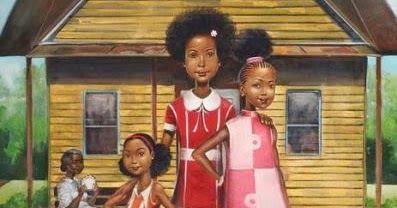
The trip to Oakland exposes her to an unfamiliar and complicated world. Cecile, who now goes by Nzila, is distant and uninterested in traditional maternal duties. Delphine struggles to reconcile her desire for a mother’s love with the reality of Cecile’s priorities as a poet and activist in the Black Panther movement. This tension forces Delphine to confront questions about identity, heritage, and what it means to belong.
Additionally, Delphine faces the racial and social upheaval of 1968, a year marked by civil rights activism and cultural change. Attending the Black Panther-organized youth centre introduces her to new ideas about empowerment and community, but it also challenges her understanding of the world and her place in it.
Struggles
Carrying adult responsibilities: As the eldest sister, Delphine often acts as a stand-in mother for Vonetta and Fern, a role that weighs heavily on her young shoulders.
Dealing with Cecile’s rejection: Delphine craves a maternal connection with her mother, Cecile, but is met with cold indifference and biting comments.
Cultural and personal identity: She struggles to understand her place in a world that is rapidly changing, particularly when exposed to the activism of the 1960s.
Achievements
Maintaining her humour under pressure: Delphine’s dry wit and sharp observations bring levity to even the tense situations, like when she quips about Cecile’s “prison food” meals or rolls her eyes at her sisters’ antics.
Keeping her sisters safe and fed: Despite Cecile’s neglect, Delphine takes charge, ensuring Vonetta and Fern are cared for, even if it means confronting her mother.
Growing emotionally: She learns to accept Cecile for who she is while finding her own sense of independence and strength.
9. Rachel Walsh (Rachel’s Holiday by Marian Keyes)
Rachel is a hot mess, and she knows it. Her struggles with addiction and denial make her infuriatingly human, but her journey of recovery is as raw as it is inspiring. Rachel’s humour and self-awareness add depth to her story, making her growth feel genuine.
Of course, Rachel’s impulsive decisions and tendency to self-sabotage make her a challenging protagonist. But that’s the beauty of her story—she’s messy, real, and utterly relatable. Rachel reminds us that strength often comes from admitting our mistakes and choosing to do better.
Struggles:
Coming to terms with her addiction and its ripple effects on her life and relationships.
Facing the reality of rehab while clinging to her denial like a life raft.
Navigating heartbreak and family drama with a mix of humour and grit.
Achievements:
Turning her life around while keeping her signature sass intact.
Showing that recovery is messy, non-linear, and absolutely worth it.
Making us laugh through her pain while rooting for her all the way.
Reality Check: Rachel’s decisions will make you want to scream, but her honesty and growth are deeply moving.
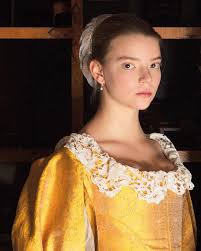
10. Nella Brandt (The Miniaturist by Jessie Burton)
Nella Brandt, the protagonist of The Miniaturist by Jessie Burton, is a fascinating character whose journey from naivety to self-awareness unfolds against the backdrop of 17th-century Amsterdam. Initially, Nella seems to embody the archetype of a young, inexperienced bride navigating a complex and unfamiliar world, but as the story progresses, she proves herself to be far more resilient and perceptive than she appears.
Nella’s quiet courage is easy to underestimate. Thrust into a world of secrets and expectations, she slowly but surely takes control of her destiny. Her adaptability and determination allow her to rise above the challenges thrown her way. She shows us that bravery doesn’t always look like charging into battle—sometimes, it’s about navigating life’s complexities with grace.
Struggles
A challenging marriage: Nella enters her new life with Johannes Brandt expecting the warmth and partnership of a typical marriage, only to discover that her husband is distant and harbouring secrets.
A stifling household: Nella faces the coldness and judgment of her sister-in-law, Marin, whose stern demeanour and control over the household initially leave Nella feeling powerless.
The enigmatic miniaturist: The titular miniaturist sends Nella cryptic, uncanny miniatures that seem to foretell events in her life, leaving her struggling to understand whether she is dealing with a mysterious ally or an ominous force.
Achievements
Stepping into her power: Nella transitions from a timid, idealistic young bride to a capable woman who takes charge of the Brandt household, particularly in moments of crisis.
Challenging societal norms: Though she begins the story as a conformist to her time’s expectations, Nella gradually pushes against those boundaries, choosing to act on her own principles rather than blind obedience to societal rules.
Forging relationships: Despite her initial alienation, Nella develops a complicated but ultimately profound bond with Marin, as well as a deeper understanding of Johannes and his struggles.
Reality check: Annoyingly naïve at times but wakes up to take control of her destiny.
So, there you have it: a parade of heroines who have fought wars, navigated societal expectations, survived trauma, and even time-travelled—all while juggling flaws that make them as real as the rest of us. They’ve stumbled, made questionable decisions, and occasionally needed a hard reality check, but that’s precisely why we love them. Perfect heroines are as dull as unbuttered toast; these women are a messy, gloriously unpredictable feast.
Now, if your personal heroine didn’t make the cut, don’t throw your book at the screen—recommend her instead! After all, literary heroines are like snacks; there’s always room for more. So, grab your bookmarks, leave a comment, and help expand the list. Just remember: no flawless heroines allowed—we’re here for the grit, wit, and glorious chaos!
Ali x
 Ali Riley